What to Include in a Creator Kit for CBD Brands
Launching and managing an influencer or creator program in the CBD industry isn’t as simple as in other categories. With strict regulatory oversight from agencies like the Federal Trade Commission (FTC) and advertising platforms such as Meta and Google enforcing tight restrictions, CBD brands must be thoughtful and precise about how they equip creators. A well-crafted creator kit is critical for ensuring that influencers represent the brand responsibly and compliantly, reducing risk and maximizing program success.
In this blog post, we’ll break down exactly what a CBD brand’s creator kit should include, drawing from best practices seen in successful programs like those at Joy Organics and leveraging platforms like Tomoson that support influencer marketing operations. Key themes such as FTC compliance training, approved language guidelines, health product claim limits, and transparent product certificates will be covered in detail. By the end, you’ll have a clear checklist for building your own comprehensive creator kit.
Why a Creator Kit is Essential for CBD Brands
CBD remains a highly regulated space. Unlike many other product categories, CBD brands must navigate:
- FTC rules on advertising claims
- Platform-specific advertising restrictions — Meta and Google have stringent policies for CBD-related content
- Complex state and federal compliance guidelines
- The sensitive nature of health-adjacent product claims
Without formal guidance, creators can unintentionally make prohibited claims, causing negative consequences for both influencers and brands. These might include takedowns, account suspensions, or even government investigations. Crafting and distributing a thorough creator kit not only protects your brand but also empowers creators to confidently promote your products with transparency and accuracy.
Core Components of a CBD Brand Creator Kit
Below are the essential elements every CBD brand should include in their creator kits.
1. Brand Overview and Mission
Creators need to understand your brand’s identity and values. A concise overview helps them authentically https://tomoson.com/running-influencer-campaigns-in-a-regulated-category/ connect with your story and ethos.
- Company history
- Mission statement emphasizing quality, safety, and responsibility
- Summary of product offering
2. Product Information Packet
A detailed but digestible summary of your products is vital. This should include:
- Certificate of Analysis (COA) Links: Transparency about cannabinoid content and purity is critical. Provide direct links or PDFs for third-party lab results.Example: Joy Organics prominently features COA links accessible to creators and customers alike.
- Certification Details: Evidence of organic certification, Good Manufacturing Practices (GMP), or other relevant credentials.
- Sourcing One-Pager: A single-page document outlining your sourcing story—where and how your hemp is cultivated—reinforcing quality and authenticity.
3. FTC Compliance and Training Materials
Because the FTC strictly monitors health product claims, brands must proactively educate creators on compliance. Your creator kit should include:
- Summary of FTC Guidelines: Explain that influencers must avoid unsubstantiated health claims or statements that imply your CBD products diagnose, treat, cure, or prevent diseases.
- FTC Training Module or Links: Provide creators with access to official FTC resources or custom training videos tailored to CBD’s regulatory landscape.
- Monitoring Expectations: Set clear expectations your brand will monitor posts for compliance, making creators aware of potential content revisions or removals.
4. Approved vs. Prohibited Language List
Many creators unknowingly use language that triggers platform or FTC violations. Include a table in your creator kit clarifying which phrases are allowed and which are prohibited.
Approved Language Prohibited Language "Supports overall wellness" "Treats anxiety" "Helps promote relaxation" "Cures insomnia" "Contains all-natural ingredients" "Guaranteed to heal" "Third-party lab tested" "FDA approved"5. Social Media Platform Guidelines
Meta (Facebook & Instagram) and Google have unique policies regarding CBD promotions. Include a summary of these policies shaped by your experience and industry resources such as Tomoson’s educational content.
- Advertising restrictions (e.g., no paid ads promoting ingestible CBD products on Meta platforms)
- Content compliance (what is allowed organically)
- Recommendations on hashtags and disclosures (e.g., #ad, #sponsored)
6. Disclosure Instructions & Examples
The FTC mandates clear, conspicuous disclosure of sponsored relationships. Provide exact language and sample captions to simplify compliance:
- “#ad” or “#sponsored” must appear near the beginning of the post or video description
- How to verbally disclose on video content
- Guidance for multi-platform disclosures
7. Content Inspiration and Creative Guidance
Rather than vague creative briefs, offer clear content examples that align with your brand voice and compliance requirements. This might include:
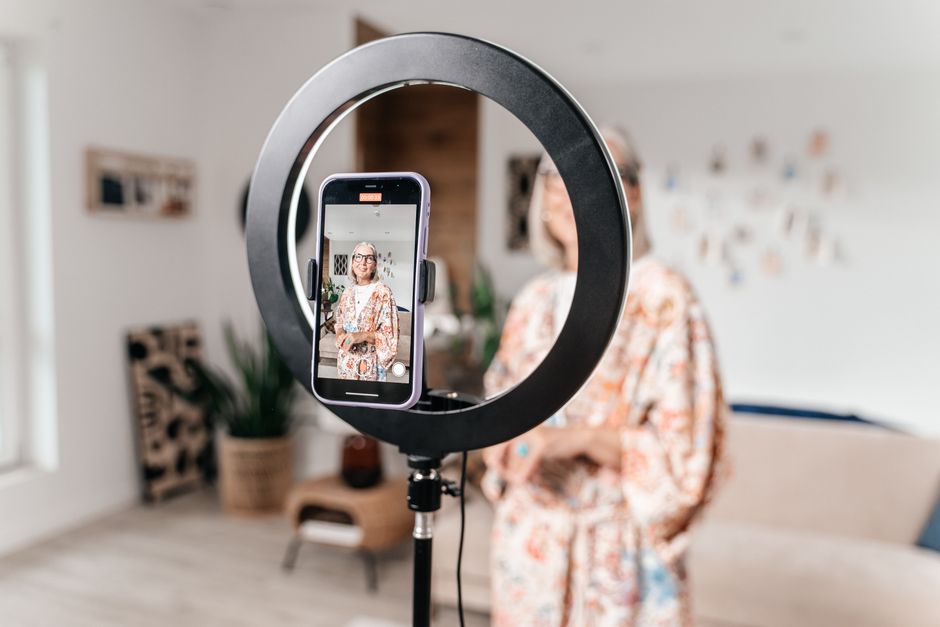
- Sample post formats
- Do’s and Don’ts for photography and captions
- Recommended tone and style
8. FAQ and Support Contact Info
CBD creators often have nuanced questions. Include:
- Frequently asked questions regarding product use, claims, and content creation
- Dedicated contact for compliance inquiries or urgent content approvals
Case Study: How Joy Organics Uses Creator Kits to Keep Their Brand Compliant
Joy Organics, a leading CBD brand, stands out for their transparent and educational approach to influencer partnerships. Their creator kit includes:
- Direct links to COAs for every product batch
- Clear disclaimers about health claim limits per FTC guidance
- A comprehensive approved & prohibited language list updated regularly
- Access to FTC training materials with reminders about disclosure policies
- Step-by-step social media policy guidelines focusing on Meta and Google restrictions
This thorough toolkit helps their creators produce compliant and engaging content while protecting both parties from legal pitfalls.
Leveraging Tools like Tomoson to Manage Your Creator Program
Managing this level of detail across dozens or hundreds of creators can be overwhelming. Platforms like Tomoson specialize in influencer marketing operations and provide infrastructure for:
- Automated onboarding that includes distribution of your creator kit
- Built-in tracking of COA link usage and content compliance flags
- Centralized communication for prompt updates on FTC or platform policy changes
Leveraging tech enables CBD brands to maintain compliance at scale without tedious manual oversight.
Final Recommendations: Best Practices for CBD Brand Creator Kits
- Keep all documentation centralized and easily accessible. Use cloud drives or integrated dashboards.
- Update creator kits regularly. The FTC and social platforms frequently modify policies.
- Train creators upfront and refresh training periodically. Even experienced influencers may need reminders specific to CBD.
- Encourage transparent, authentic storytelling within approved language limits.
- Make certification details and COA links highly visible. Transparency builds trust in this scrutinized category.
- Consult legal counsel on claim language and FTC compliance. Don’t rely solely on templates.
Summary Table: What to Include in Your CBD Brand Creator Kit
Component Description Why It Matters Brand Overview Mission, values, and product lineup Authenticity and connection Product Info Packet COA links, certifications, sourcing one-pager Transparency and trust FTC Compliance Materials Guidelines summary, training links, monitoring policy Regulatory adherence and risk reduction Language Lists Approved and prohibited claims and phrasing Prevents misleading or banned claims Platform Guidelines Meta and Google ad restrictions and content policies Maximizes platform compatibility Disclosure Instructions Clear examples of FTC-mandated sponsor disclosure Transparency with audience and compliance Creative Guidance Post examples, tone, and style directions Consistent brand voice and improved engagement FAQ & Support Info Answers to common questions, contact info Efficient support and fewer compliance misstepsConclusion
Building a comprehensive creator kit tailored specifically for CBD brands is a foundational step toward a smooth and compliant influencer marketing program. By providing clear, transparent, and regularly updated materials—including COA links, certification details, FTC compliance training, and platform-specific guidelines—you empower your creators to produce authentic content that protects your brand’s reputation.

Whether you’re using platforms like Tomoson to streamline creator management or modeling your practices after innovative brands like Joy Organics, prioritizing regulatory responsibility will pay dividends by minimizing risk and fostering long-term partnerships. Keep your creator kit clear, concise, and aligned with FTC and platform expectations to thrive in this challenging but rewarding category.