How Do I Disclose AI Dubbing Without Making It Awkward?
AI dubbing can help a YouTube channel reach viewers who would never watch the original-language version. But the moment a translated voice sounds a little too smooth—or not quite like the person on screen—viewers may start wondering what they’re hearing. A clear, calm disclosure answers that question before it becomes a distraction.
The goal isn’t to make AI dubbing sound impressive, apologize for using it, or turn a translation choice into a big announcement. It’s to tell viewers what they need to know, in the right place, using ordinary language. Then check what actually matters: whether the dubbed version holds attention and earns trust.
Why disclose AI dubbing at all?
Dubbed audio changes how a viewer experiences a video. They may hear a synthetic or AI-assisted voice, while seeing the original speaker’s face and gestures. If the voice, timing, or emotional tone feels different from what they https://technivorz.com/ai-dubbing-vs-subtitles-on-mobile-which-keeps-viewers-watching/ expect, viewers can interpret that mismatch as a production flaw—or wonder whether the speaker https://dibz.me/blog/can-ai-dubbing-handle-slang-and-casual-creator-tone-1284 approved the translation.
A short disclosure sets expectations. It can explain that the audio was translated and dubbed with AI, while making clear that the original video and speaker are real. If a native speaker reviewed the translation, say so. If they did not, don’t imply that they did.
This isn’t just a matter of sounding transparent. It’s part of protecting audience trust and respecting the people whose words and voices are being adapted. If a guest, employee, or other identifiable person appears in the video, get appropriate permission for the translation and dubbing. Permission to appear in the original video shouldn’t be treated as automatic permission to create or publish a dubbed version.
Opportunity is real—but dubbing isn’t a growth hack
For many creators, the English-language market is crowded. A useful video may have a better chance of finding its audience in another language, especially if the subject is relevant across borders and the creator has a reason to believe there’s demand.
That opportunity doesn’t mean every translated upload will find viewers. A dubbed version still needs a strong topic, a compelling title and thumbnail for that audience, and a good viewing experience. Translation can remove a language barrier; it can’t fix a slow opening, weak storytelling, or a video that wasn’t a fit in the first place.
Think of dubbing as an audience experiment. Choose a language based on signals such as comments, search interest, geography, or existing community requests. Then evaluate that version on its own terms. In YouTube channel strategy, the useful question isn’t just “How many views did it get?” Ask what the retention graph did. Did viewers stay through the opening? Where did they leave? Did the dubbed audience watch a meaningful portion of the video, or click away when the narration began?
What makes a disclosure sound natural?
A good disclosure is brief, specific, and easy to find. It doesn’t need to interrupt the video with a formal speech unless the dubbing itself is central to the story. Most creators can use one concise line in the video description, a spoken note at the start, a brief on-screen label, or some combination based on the content and how the dubbed version is presented.
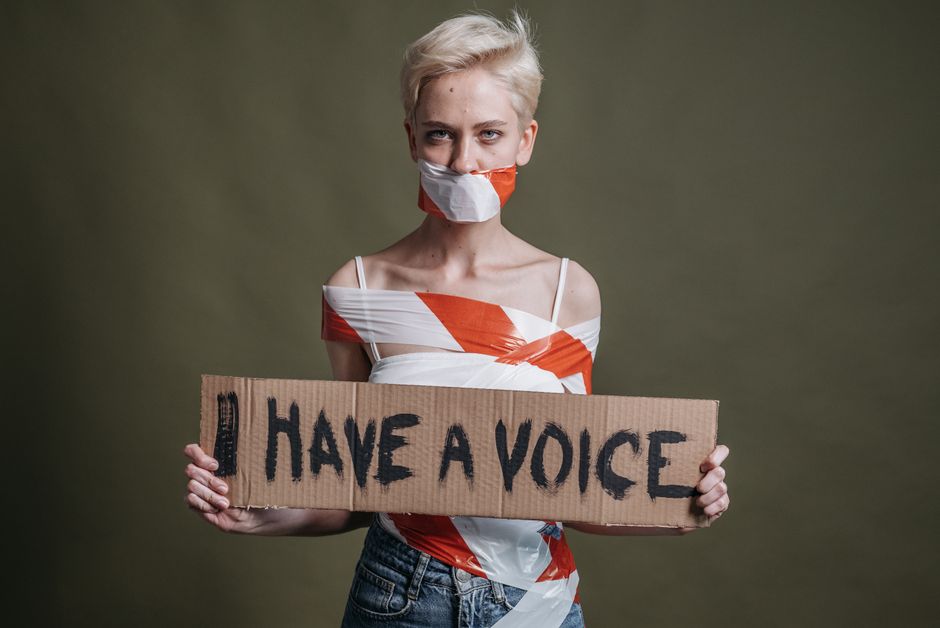
Use direct wording. “This video includes an AI-assisted Spanish dub” tells viewers more than “This video has been enhanced with new technology.” The latter sounds vague and promotional. Avoid framing the disclosure as a dramatic reveal, and don’t overstate the technology. If a tool assisted with translation, voice generation, or timing, describe that accurately.
Disclosure lines you can adapt
- Simple: “This video includes an AI-dubbed Spanish audio track. The original video is in English.”
- With review: “This video includes an AI-assisted Spanish dub, reviewed by a native Spanish speaker.” Use this only if that review actually happened.
- For a fully synthetic dub: “The Spanish voice in this version was generated with AI; it is not the speaker’s original voice.”
- For a guest appearance: “The translated audio was created with permission from the guest and reviewed before publication.” Use only when both permission and review are true.
These are starting points, not magic phrases. If the dubbed voice closely resembles a real person, or viewers could reasonably mistake it for that person’s original speech, say plainly how it was created and confirm that you have the necessary permission. Don’t blur the distinction between an AI-generated voice and a real person speaking in another language.
Where should the AI voice disclosure line go?
There’s no single placement that fits every video. Make the disclosure easy to encounter without making it the main event. For a standard dubbed upload, a clear YouTube description disclosure is a sensible baseline. If viewers select a separate dubbed audio track, put the information where that choice is made as well, if the available publishing controls allow it.
For topics where voice authenticity or consent could affect interpretation—such as personal testimony, health information, politics, or sensitive news—consider a brief spoken or on-screen note too. A description alone may not reach viewers who watch through embedded players, skip the description, or encounter a clip outside the original channel.
Placement Works well when Keep in mind YouTube description You need a consistent, unobtrusive explanation for the dubbed version. Put the line near the top, not beneath a long block of links. Opening card or subtitle The voice could be mistaken for the speaker’s original voice, or the subject is sensitive. Keep it brief so the notice doesn’t overshadow the opening hook. Spoken introduction The creator’s personal presence is central to the video. Use a natural sentence; don’t make the viewer sit through a long disclaimer. Audio-track label Viewers choose between original and dubbed audio. Label the language and make the original-language option clear when available.Match the level of disclosure to the format
Informational videos are often a straightforward fit for dubbing. Tutorials, explainers, product walkthroughs, and other structured content rely heavily on clear language and visual demonstration. A translated voice can serve the material well if it preserves meaning, handles technical terms correctly, and matches the pacing of the visuals.
Personality-led content is more delicate. A creator’s humor, hesitation, warmth, or emotional delivery may be part of the reason viewers watch. A dubbed performance can carry the words but flatten the personality—or give the speaker an intensity they didn’t have. In that case, the disclosure should make the adaptation clear, and the creator should decide whether dubbing is the right format at all. Subtitles may preserve more of the original performance.
Be especially careful with interviews and guest appearances. A guest’s words may be translated, but an AI-generated voice should not suggest that the guest personally recorded the translated audio if they did not. Get permission that covers the intended use, and consider asking the guest to review the translation or dubbing when the subject, tone, or personal stakes warrant it.
How to make the dubbing sound less awkward
Disclosure helps with expectations, but it won’t rescue a poor dub. The production pipeline matters. A more mature workflow includes transcription, translation, voice selection or generation, timing, editing, quality checks, and review. Tools such as ElevenLabs Dubbing Studio can support parts of that process, but the tool isn’t the final quality-control step. A fluent-sounding voice can still deliver the wrong meaning.

Pay particular attention to prosody: the rhythm, emphasis, pauses, and emotional shape of speech. Literal translations can be too long for the original timing. A joke may depend on wordplay that doesn’t travel. A calm explanation can come out oddly emphatic. Good dubbing adapts phrasing and pacing to the target language while keeping the speaker’s intended meaning intact.
Common technical failure modes
- Names and specialist terms: People, places, brands, and technical vocabulary may be mispronounced or translated inconsistently.
- Timing mismatch: The dub may end before the speaker’s visible mouth movement, or continue after a cut or reaction shot.
- Flat or exaggerated emotion: The voice can miss a joke, sound too cheerful during serious material, or add confidence that wasn’t in the original.
- Translation that’s technically accurate but unnatural: Viewers may understand each sentence while still hearing phrasing that no native speaker would use.
- Audio and editing errors: A dubbed line may overlap music, disappear under sound effects, or start before the original speaker finishes.
- Meaning drift: Idioms, qualifiers, or caveats can change during translation—an important risk in health, legal, financial, and other sensitive niches.
Use a fluent native speaker to check the dub, especially in sensitive or specialized content. Ask them to assess meaning, naturalness, names, tone, and whether the voice implies something the original speaker didn’t communicate. A machine-generated transcript or a creator’s confidence in the source language is not a substitute for that review.
A practical publishing workflow
- Choose a specific audience. Pick a language because you have a reason to serve viewers in it—not just because a tool makes translation easy.
- Check rights and consent. Confirm you can translate and dub the material, including any guest appearances, licensed clips, and voice use. Ask for permission that covers the actual adaptation and publication.
- Review the source script. Correct names, jargon, and unclear sentences before translation. Errors in the original can multiply downstream.
- Translate for meaning and delivery. Adapt idioms, sentence length, and pacing rather than forcing a word-for-word match.
- Listen through the complete video. Check every transition, joke, name, on-screen reference, and change in emotional tone. Don’t rely on a short sample.
- Get a native-speaker check. For sensitive niches, make this a required step, not an optional polish pass.
- Add a plain disclosure. Put the AI voice disclosure line where viewers can find it, and avoid claims about review or consent unless they’re true.
- Measure the viewing experience. Compare retention, early drop-off, watch time, and feedback with relevant videos or audience segments. Treat the results as evidence about fit, not proof that dubbing alone caused a change.
Use YouTube retention to improve the experience
After publishing, look beyond the view count. Compare the dubbed version’s retention curve with the original and with similar uploads. A sharp drop at the opening could point to a weak hook, an unexpected voice, or a mismatch between title and content. A dip at a specific section could reveal a mistranslated term, a pacing problem, or a joke that stopped working. Comments can add context, but they’re not a complete sample of the audience.
Don’t assume every difference comes from the dub. Topic, traffic source, thumbnail, language-market familiarity, and audience expectations can all affect retention. Use the graph to find questions worth investigating, then review those moments with a fluent speaker. If viewers consistently leave when the dubbed narration starts, test a clearer language label, a different opening, or subtitles instead of guessing.
Keep the disclosure human
The least awkward disclosure is usually the most honest one: “This version uses an AI-assisted dub in Spanish.” Add a sentence about native-speaker review, synthetic voice, or guest permission only when that information is relevant—and only when it’s accurate.
Then let the work earn its place. Choose a format that translates well, check the voice and wording carefully, and pay attention to what the retention graph says. AI dubbing can open a door to international audiences, but audience trust comes from the choices around it: clear expectations, respectful consent, and a version that genuinely serves viewers in their language.